
Best Cardiology Hospital in Makkah
Expert Cardiac Care for Every Stage of Heart Health
Heart disease remains a leading cause of serious illness. Regular heart evaluations, early diagnosis, and appropriate medical care at Shefa Hospital help reduce complications and protect your long-term heart health.

Why Heart Health Should Never Be Ignored
The heart continuously pumps blood throughout the body, supplying oxygen and nutrients to essential organs. When its function is affected, even simple daily activities can become difficult.
Many heart conditions progress silently. High blood pressure, elevated cholesterol, diabetes, obesity, smoking, and family history can gradually damage the cardiovascular system long before symptoms appear.
Regular cardiovascular assessments help identify these risks early, allowing doctors to recommend lifestyle changes, medications, or further investigations when necessary.
When Should You Consult a Cardiologist?
Many people delay seeking medical advice because they believe heart disease always begins with severe chest pain. In reality, symptoms vary from one person to another.
Consider scheduling a cardiac evaluation if you experience:

Common Heart Conditions Evaluated by Cardiologists
Cardiologists assess a wide range of conditions affecting the heart and blood vessels.
These include:
Coronary Artery Disease
Coronary arteries supply oxygen-rich blood to the heart muscle. When these arteries become narrowed due to plaque buildup, blood flow decreases, increasing the risk of chest pain and heart attack.
- Arrhythmias (Irregular heartbeats)
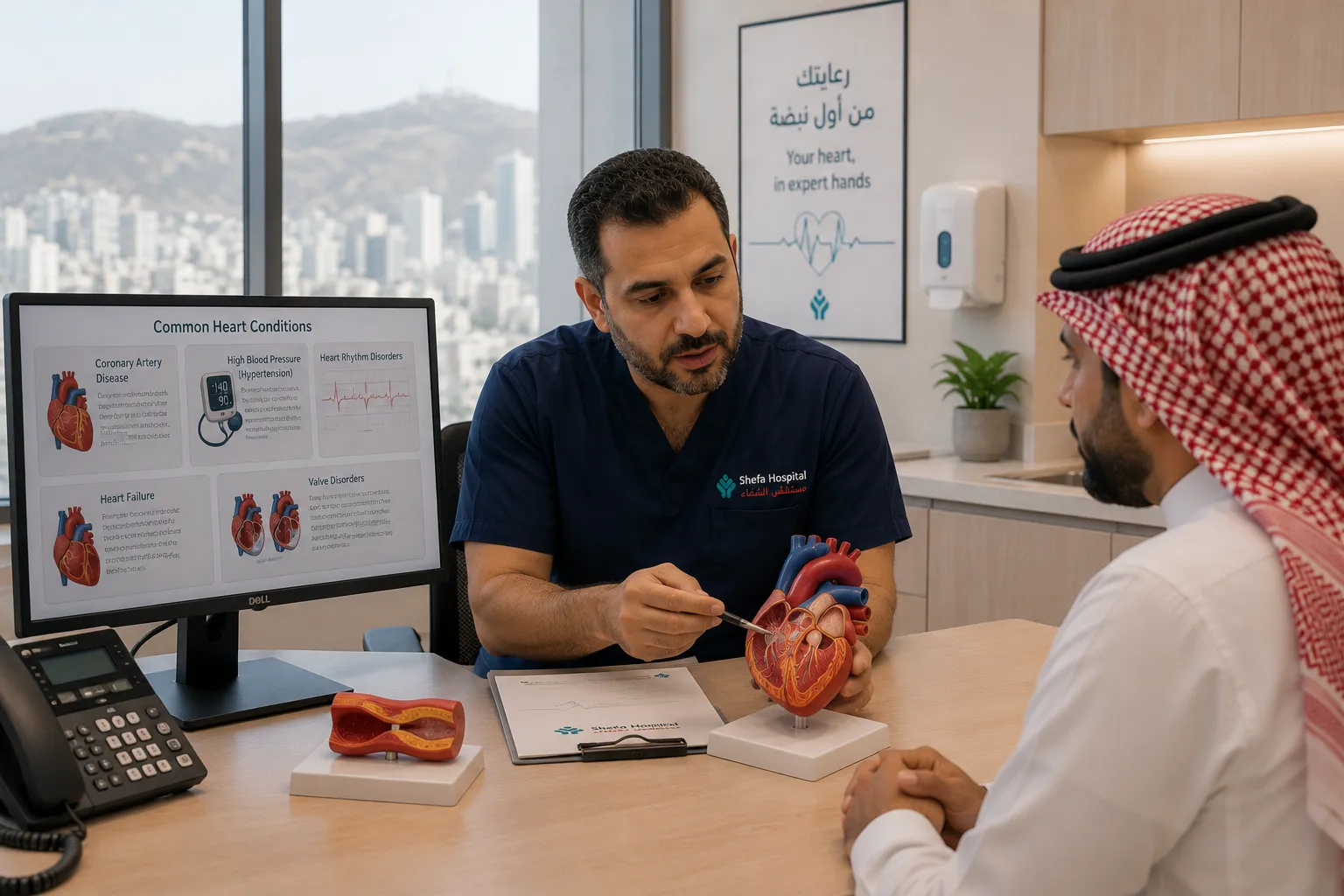
Common Heart Conditions Evaluated
Cardiologists assess a wide range of conditions affecting the heart and blood vessels.
High Blood Pressure
Persistent high pressure strains the heart and increases risks of stroke and kidney disease.
Heart Rhythm Disorders
Arrhythmias causing palpitations, dizziness, or fainting requiring evaluation.
Heart Failure
When the heart cannot pump efficiently; symptoms include breathlessness and fatigue.
Valve Disorders
Narrowing or damage to valves affecting circulation and blood flow.
Coronary Artery Disease
Plaque buildup in arteries, reducing blood flow to the heart muscle.
Understanding the Difference Between Heart Disease and a Heart Attack
Many people use these terms interchangeably, but they describe different medical conditions.
| Feature | Heart Disease | Heart Attack |
|---|---|---|
| Definition | Conditions affecting the heart over time | Sudden medical emergency (interrupted blood flow) |
| Progression | Develops gradually | Occurs unexpectedly |
| Management | Ongoing treatment | Requires immediate attention |
| Includes | Hypertension, valve disease, arrhythmias | Usually coronary artery blockage |
Heart Disease Risk Assessment
Certain factors increase the likelihood of developing cardiovascular disease. While some risk factors cannot be modified, many can be improved through preventive care and regular follow-up.
High blood pressure
High cholesterol
Diabetes
Smoking
Obesity
Physical inactivity
Family history
Age
Chronic stress
Cardiac Diagnostic Services at the Best Cardiology Hospital in Makkah
Accurate diagnosis is the foundation of effective cardiac treatment. Depending on symptoms and medical history, your cardiologist may recommend one or more diagnostic investigations.
Common evaluations include:
- Clinical examination
- Blood pressure assessment
- Electrocardiogram (ECG)
- Blood tests
- Echocardiography (when indicated)
- Heart rhythm monitoring
- Diagnostic imaging based on clinical need
ECG vs. Echocardiogram: What’s the Difference?
Many patients are unsure why both tests may be recommended.

ECG
- Measures the heart’s electrical activity
- Detects rhythm abnormalities
- Usually completed within minutes
- Often used during the initial assessment
Echocardiogram
- Uses ultrasound to produce images of the heart
- Evaluates heart structure and valve function
- Provides detailed information about heart movement
- Recommended when additional structural evaluation is needed
Heart Screening: Who Should Consider It?
Routine heart screening may be beneficial for individuals with increased cardiovascular risk, even if they feel well.
Screening is commonly recommended for:
- Adults with high blood pressure
- Individuals with diabetes
- People with elevated cholesterol
- Smokers
- Adults over 40 with multiple risk factors
- Patients with a family history of heart disease
A Patient’s Cardiology Journey
Every patient’s experience is different, but a cardiology consultation often follows a structured pathway.
Step 1 – Initial Consultation
The cardiologist reviews symptoms, lifestyle habits, medical history, and family history to understand potential cardiovascular risks.
Step 2 – Physical Examination
Blood pressure, heart sounds, pulse, and other clinical findings help guide further evaluation.
Step 3 – Diagnostic Testing
Based on the assessment, appropriate investigations may be recommended to confirm or rule out underlying heart conditions.
Step 4 – Diagnosis & Planning
Once the results are available, the cardiologist explains the findings and discusses suitable treatment options, which may include lifestyle changes, medication, ongoing monitoring, or referral for additional procedures if clinically indicated.
Chest Pain: When Should You Seek Immediate Medical Care?
Chest discomfort can have many causes, ranging from muscle strain to serious cardiovascular conditions. While not every episode is related to the heart, persistent or severe symptoms should always be evaluated by a medical professional.
Seek urgent medical attention if chest pain:
- Lasts longer than a few minutes
- Occurs during physical activity or emotional stress
- Spreads to the arm, jaw, neck, shoulder, or back
- Is accompanied by shortness of breath
- Causes dizziness or fainting
- Occurs with nausea, cold sweats, or unusual weakness
Heart Attack or Heartburn? Understanding the Difference
Heart-related pain and digestive discomfort may sometimes feel similar, making self-diagnosis unreliable.

| Symptom | Heart Attack | Heartburn |
|---|---|---|
| Location | Chest, may spread to arm, neck, jaw, or back | Usually behind the breastbone |
| Trigger | Physical activity or may occur unexpectedly | Often after meals or when lying down |
| Associated Symptoms | Shortness of breath, sweating, nausea, dizziness | Sour taste, acid reflux, bloating |
| Duration | Often persistent or worsening | May improve with antacids |
| Medical Attention | Immediate evaluation recommended | Medical review if symptoms are frequent or severe |
If there is uncertainty, it is safer to seek emergency medical evaluation rather than assume the symptoms are related to indigestion.
Preventive Cardiology: Protecting Your Heart Before Problems Develop
Preventive cardiology focuses on identifying cardiovascular risk factors before they lead to serious disease. Regular heart assessments may help detect:
Managing High Blood Pressure and Cholesterol
High blood pressure and elevated cholesterol often develop without noticeable symptoms, yet both increase the risk of cardiovascular disease.
Regular monitoring helps doctors evaluate whether treatment is needed.
Management may include:
- Blood pressure monitoring
- Cholesterol testing
- Dietary guidance
- Physical activity recommendations
- Weight management
- Medication when clinically indicated
- Ongoing cardiovascular follow-up
Heart Health Considerations for Pilgrims Visiting Makkah
Large crowds, warm weather, and increased physical activity during Umrah and Hajj can place additional demands on the cardiovascular system, particularly for individuals with existing heart conditions.
Patients with known cardiovascular disease should consider:
- Carrying prescribed medications at all times
- Staying adequately hydrated unless advised otherwise
- Taking regular rest breaks
- Avoiding excessive physical exertion during extreme heat
- Wearing comfortable footwear for extended walking
- Keeping emergency contact information readily available
- Seeking medical attention promptly if concerning symptoms develop

Questions to Ask During a Cardiology Consultation
Preparing questions before your appointment can help you better understand your heart health and treatment plan.
You may wish to ask:
- What is the likely cause of my symptoms?
- Which diagnostic tests do I need and why?
- Are my blood pressure and cholesterol within healthy ranges?
- What lifestyle changes would benefit my heart?
- Do I need medication, and how should I take it?
- How often should I have follow-up evaluations?
- Are there warning signs that should prompt immediate medical attention?
Common Misconceptions About Heart Disease
“Heart disease only affects older adults.”
Although age is a risk factor, cardiovascular disease can also affect younger adults, particularly those with diabetes, hypertension, obesity, or a strong family history.
“If I don’t have chest pain, my heart is healthy.”
Some heart conditions develop silently or present with symptoms such as fatigue, shortness of breath, dizziness, or irregular heartbeat rather than chest pain.
“Medication alone is enough.”
Medicines play an important role, but healthy eating, regular activity, smoking cessation, and routine medical follow-up remain essential parts of long-term cardiovascular care.
“Once my blood pressure improves, I can stop treatment.”
Any changes to medication should only be made after consulting your healthcare provider. Stopping treatment without medical advice may increase cardiovascular risk.
Frequently Asked Questions
You should consider a cardiology consultation if you experience chest discomfort, shortness of breath, palpitations, dizziness, fainting episodes, uncontrolled high blood pressure, or if you have a strong family history of heart disease. In such cases, visiting a trusted cardiology clinic in Makkah for timely evaluation by the best cardiologist in Makkah can help identify risks early and guide appropriate treatment.
Cardiologists diagnose and manage conditions affecting the heart and blood vessels, including coronary artery disease, hypertension, heart rhythm disorders, heart failure, and valve diseases. At our cardiology clinic in Makkah, patients receive thorough evaluation and treatment from the best cardiologist in Makkah for both common and complex cardiac conditions.
No. An ECG provides important information about the heart’s electrical activity, but additional tests such as echocardiography, blood investigations, or other imaging studies may be required depending on your symptoms and clinical findings.
The frequency depends on your age, medical history, existing health conditions, and cardiovascular risk factors. Individuals with hypertension, diabetes, or previous heart disease often require regular follow-up.
Although not every heart condition can be prevented, controlling blood pressure, cholesterol, diabetes, maintaining a healthy lifestyle, avoiding tobacco, and attending regular medical checkups can significantly reduce cardiovascular risk.
Yes. Some women may experience symptoms such as unusual fatigue, nausea, shortness of breath, upper back discomfort, or jaw pain instead of the classic chest pain associated with heart attacks.
Why Choose Shefa Hospital for Cardiology Care in Makkah?
People searching for the best cardiology hospital in Makkah often look for more than specialist consultations. They value access to diagnostic services, coordinated medical care, and ongoing follow-up within one healthcare facility.
Located in Al Mansur, Makkah, Shefa Hospital provides cardiology services focused on evaluating heart-related symptoms, identifying cardiovascular risk factors, and supporting patients with both acute and chronic heart conditions. The hospital’s integrated approach allows physicians to combine clinical assessment with appropriate diagnostic investigations and individualized treatment planning.
Whether you require a routine heart checkup, evaluation of chest discomfort, blood pressure management, or long-term cardiac follow-up, receiving care in a hospital setting supports continuity throughout every stage of treatment.
Schedule Your Women’s Health Consultation Today
Choosing the best gynecologist in Makkah is an important step toward maintaining long-term reproductive and maternal health. Whether you are planning a pregnancy, expecting a baby, managing PCOS, seeking infertility support, or attending routine preventive screenings, regular consultations with an experienced obstetrics and gynecology team can help detect health concerns early and guide appropriate treatment.
Shefa Hospital is committed to supporting women through every stage of life with comprehensive obstetrics and gynecology services in a patient-focused hospital environment. From routine checkups and pregnancy care to fertility evaluation and specialized women’s health services, the hospital aims to provide safe, coordinated, and evidence-based care for every patient.
Key Takeaways & Conclusion
Key Points to Remember
- Many cardiovascular conditions develop gradually and may not produce early symptoms.
- Regular heart assessments can help identify risk factors before complications occur.
- Chest pain, breathing difficulty, and sudden fainting require prompt medical evaluation.
- Lifestyle improvements and ongoing medical care work together to support long-term heart health.
- Early diagnosis allows doctors to recommend appropriate treatment before heart disease progresses.
Conclusion
Maintaining heart health involves more than responding to symptoms—it requires regular assessment, early identification of cardiovascular risk factors, and consistent medical follow-up when needed. Whether you are managing an existing heart condition or seeking preventive cardiac care, choosing a hospital with experienced physicians and comprehensive diagnostic support is an important part of your healthcare journey.
For patients looking for the Best Cardiology Hospital in Makkah, Shefa Hospital in Al Mansur offers hospital-based cardiology services focused on accurate diagnosis, evidence-based treatment, and ongoing cardiovascular care. Through coordinated clinical evaluation and patient-centered management, the hospital aims to support healthier hearts and improved long-term wellbeing.
Medical Review & Disclaimer
- Reviewed By: Dr. Ahmed Aboulinein, Registrar Cardiology (Languages: Arabic, English)
- Last Updated: July 2026
- Hospital Accreditation: CBAHI Accredited Facility
Disclaimer: The information on this page is provided for educational purposes only and should not be considered a substitute for professional medical advice, diagnosis, or treatment. Heart-related symptoms can vary widely between individuals. If you experience severe chest pain, sudden shortness of breath, loss of consciousness, or other signs of a cardiovascular emergency, seek immediate medical attention or visit our 24/7 Emergency Department at Al Mansur, Makkah without delay.