
Best Urology Hospital in Makkah
Specialized Care for Urinary and Male Reproductive Health
The urinary system plays an essential role in filtering waste, regulating fluids, and maintaining the body’s overall balance. Problems affecting the kidneys, bladder, ureters, or urethra can interfere with daily life and may lead to serious complications if left untreated. Whether you are experiencing persistent urinary symptoms, recurrent kidney stones, prostate concerns, or blood in the urine, early assessment by a urology specialist can help identify the underlying cause and guide appropriate treatment. Located in Al Mansur, Makkah, Shefa Hospital offers hospital-based urology services supported by modern diagnostic facilities and multidisciplinary medical care. The hospital includes urology among its core specialties and provides access to consultants, diagnostic technology, emergency services, and surgical support when required.

Understanding Urology: What Does a Urologist Treat?
Urology is the medical specialty that focuses on diseases affecting the urinary tract in both men and women, as well as conditions involving the male reproductive system. A urologist evaluates and manages disorders involving the kidneys, ureters, urinary bladder, urethra, prostate gland, and male reproductive organs. Treatment plans vary according to the patient’s symptoms, diagnosis, age, medical history, and overall health.
Signs That Should Not Be Ignored
Many urological conditions begin with mild symptoms that gradually become more noticeable. Seeking medical advice early may help prevent complications and reduce the need for more extensive treatment. Consider arranging a consultation if you notice:
Common Conditions Managed by Urologists
Urologists diagnose and treat a broad range of urinary tract and male reproductive disorders.
Kidney Stones
Kidney stones form when minerals and salts crystallize inside the kidneys. Small stones may pass naturally, while larger stones can block urine flow and cause severe pain.
- Sharp pain in the back or side
- Blood in the urine
- Nausea and vomiting
- Pain during urination
- Frequent urge to urinate
Early diagnosis helps determine the stone’s size, location, and the most suitable management approach.
Urinary Tract Infections (UTIs)
Urinary tract infections occur when bacteria enter the urinary system.
- Pain or burning while urinating
- Cloudy urine
- Frequent urination
- Lower abdominal discomfort
- Fever in more severe infections
Recurrent infections may require additional investigations to identify contributing factors.
Enlarged Prostate (BPH)
As men age, the prostate gland may gradually enlarge, placing pressure on the urethra and affecting urine flow.
- Difficulty starting urination
- Interrupted urine stream
- Frequent nighttime urination
- Feeling that the bladder has not emptied completely
- Urgent need to urinate
Although enlargement is usually non-cancerous, proper evaluation is important to determine the cause of symptoms.
Blood in the Urine
Blood in the urine should never be ignored, even if it occurs only once.
- Urinary tract infection
- Kidney stones
- Bladder conditions
- Kidney disorders
- Prostate disease
- Other underlying medical conditions
Further evaluation helps identify the source of bleeding and determine appropriate treatment.
Urinary Incontinence
Urinary incontinence refers to the involuntary leakage of urine.
- Weak pelvic floor muscles
- Nerve disorders
- Prostate conditions
- Age-related changes
- Certain medical conditions
Treatment depends on the underlying cause and may involve lifestyle changes, medication, pelvic floor rehabilitation, or other medical interventions.

CBAHI
Accredited multispecialty hospital in Makkah
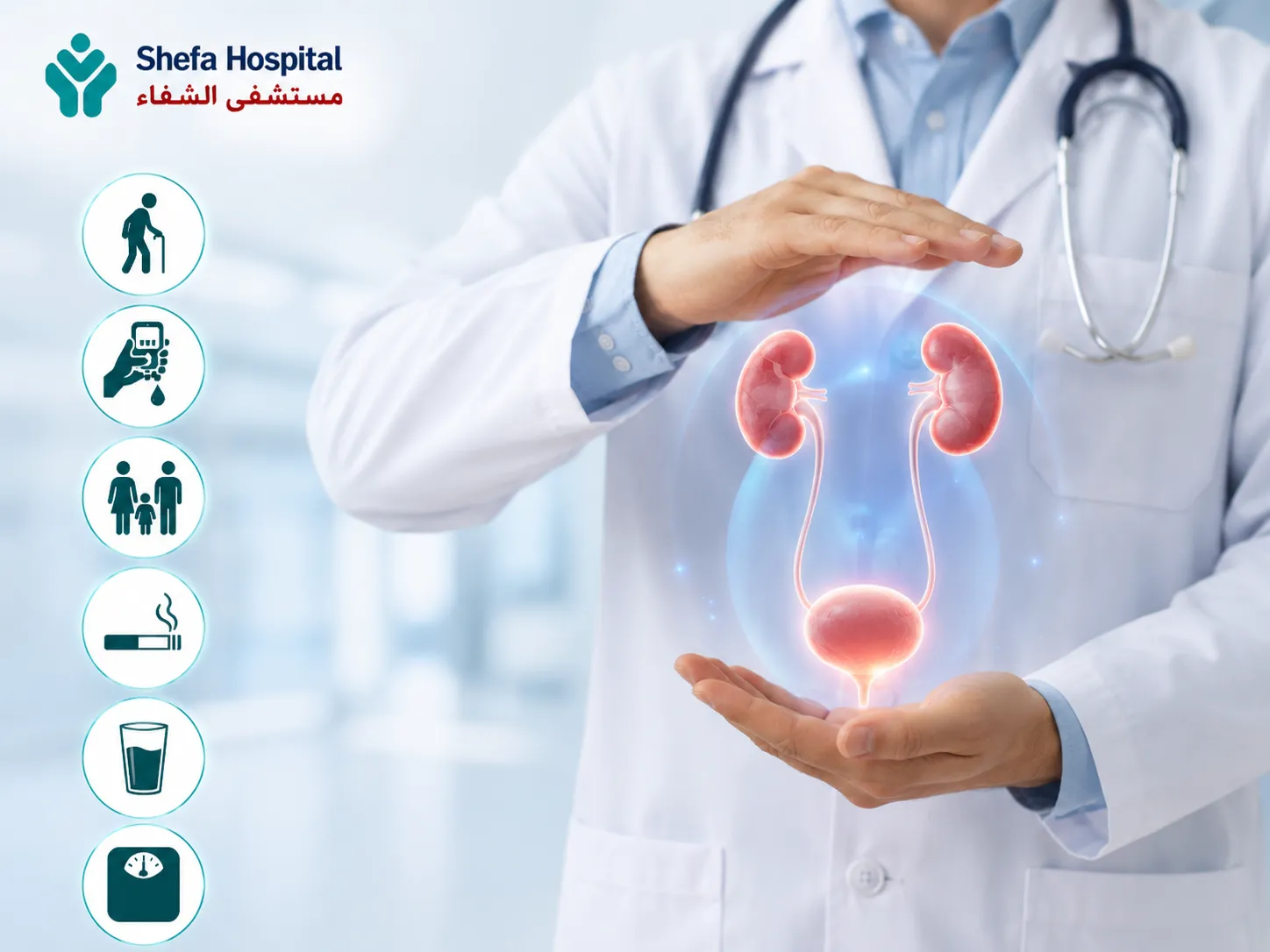
Who Is at Greater Risk of Urological Disorders?
Although urinary conditions can affect anyone, some individuals have a higher likelihood of developing urological problems.
Risk factors include:
Diagnostic Imaging Services
Digital X-Ray
Urological Health Risks for Men and Women
Although urinary conditions can affect anyone, some individuals have a higher likelihood of developing urological problems.
Risk factors include:
Understanding these risk factors allows patients to seek preventive care before symptoms become severe.
Diagnostic Evaluation in Urology
Accurate diagnosis is essential because similar urinary symptoms can have very different causes. Depending on your condition, the evaluation may include:
Kidney Stones vs. Urinary Tract Infection
Your Urology Consultation

Protecting Your Urinary Health
Good urinary health depends on a combination of healthy lifestyle habits, timely medical evaluations, and proper management of existing medical conditions.
A first consultation is designed to understand your symptoms and identify the most appropriate next steps. During the visit, your doctor may:
Discuss Your Symptoms
Review Medical History
Recommend Investigations
Based on the findings, appropriate laboratory tests or imaging studies may be advised to clarify the diagnosis before treatment begins.
When Should You Seek Immediate Urological Care?
Some urinary symptoms require prompt medical assessment because they may indicate a serious underlying condition. Seek immediate medical attention if you experience:
Preventing Kidney Stones
Kidney stones are one of the most common reasons patients visit a urologist. Although not every stone can be prevented, lifestyle measures may help reduce the chance of recurrence. Doctors often recommend:
| Preventive Measure | Why It Helps |
|---|
Men’s Urological Health After 40
As men grow older, changes in urinary function become more common. Regular medical evaluation can help detect conditions before they significantly affect quality of life.
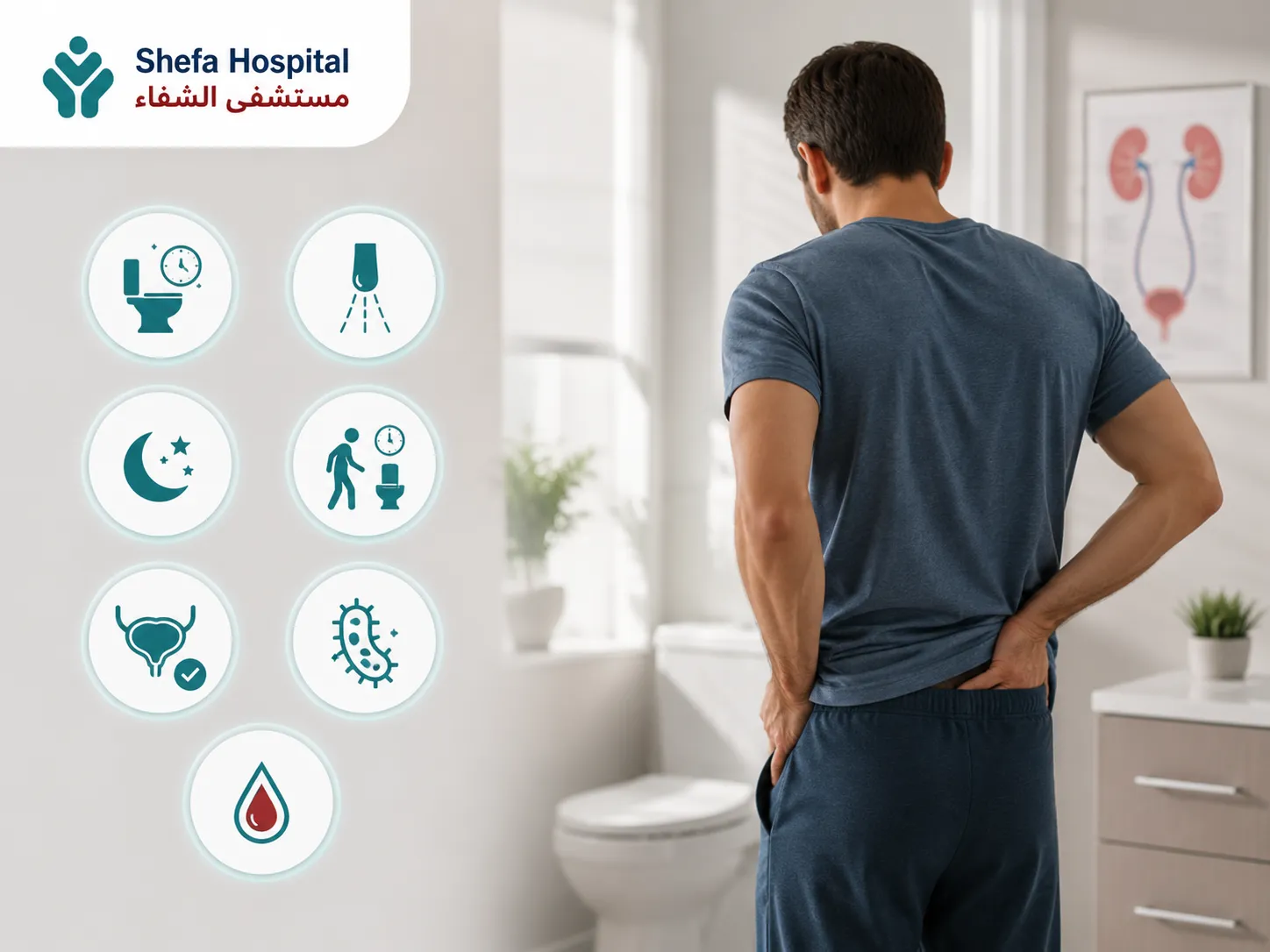
A urology assessment may be appropriate for men who notice:
Looking Beyond Symptoms: Why Early Diagnosis Matters
Many urinary disorders share similar symptoms, but their underlying causes can differ considerably. For example:
Common Myths About Urological Conditions
Misunderstandings about urinary health often delay appropriate treatment. Here are facts about some common misconceptions:
Frequently Asked Questions
Why Choose Shefa Hospital for Urology Care in Makkah?
Medical Review & Disclaimer