
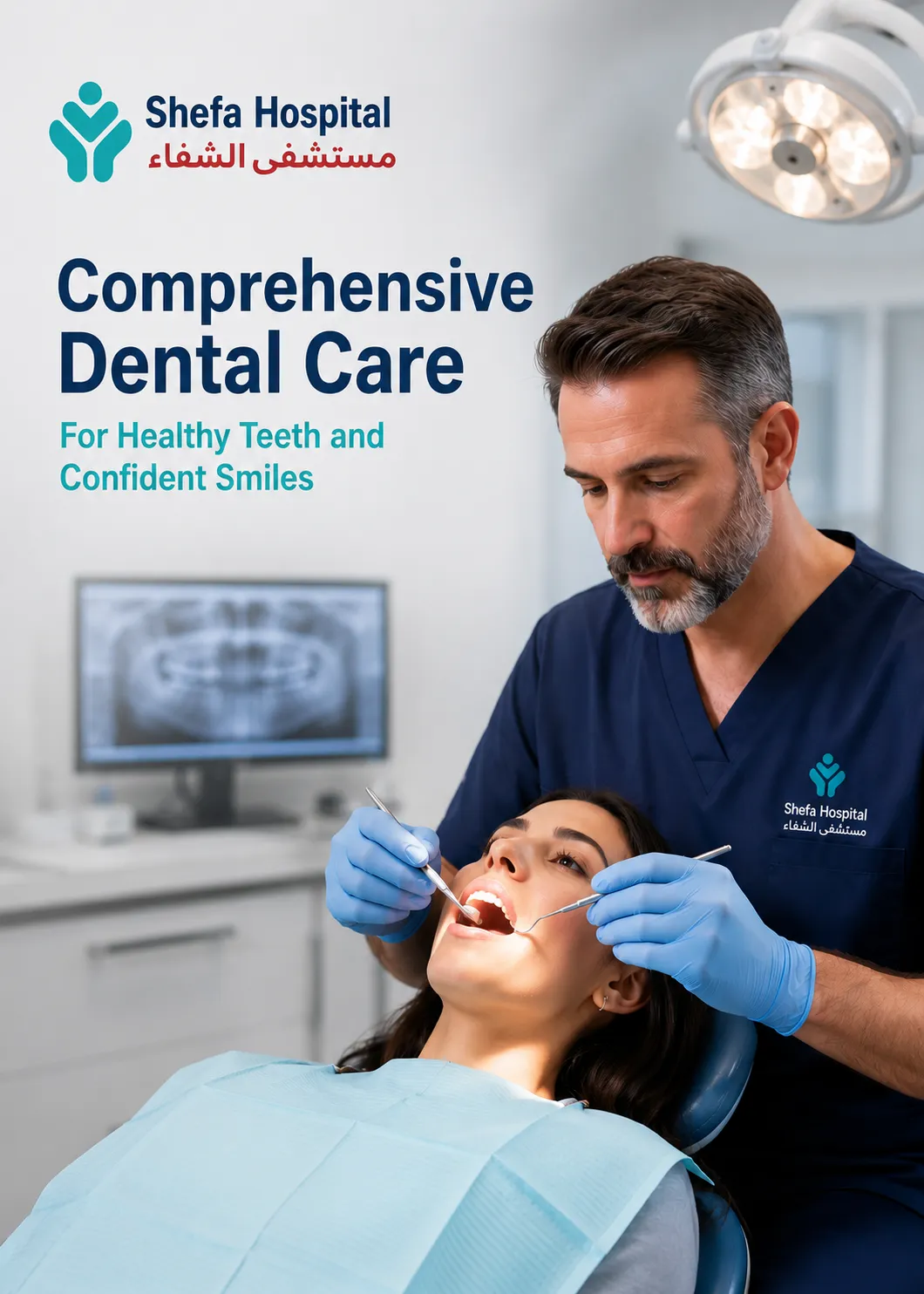
Dental Clinic in Makkah
For Healthy Teeth and Confident Smiles
Why Regular Dental Care Matters
Signs You Should Visit a Dentist
While regular checkups are important, certain symptoms should never be ignored. Arrange a dental consultation if you experience:
- Persistent toothache
- Sensitivity to hot or cold foods
- Swollen or bleeding gums
- Bad breath that does not improve
- Loose teeth
- Pain while chewing
- Broken or chipped teeth
- Mouth ulcers lasting longer than two weeks
- Jaw discomfort
- Difficulty biting or chewing normally
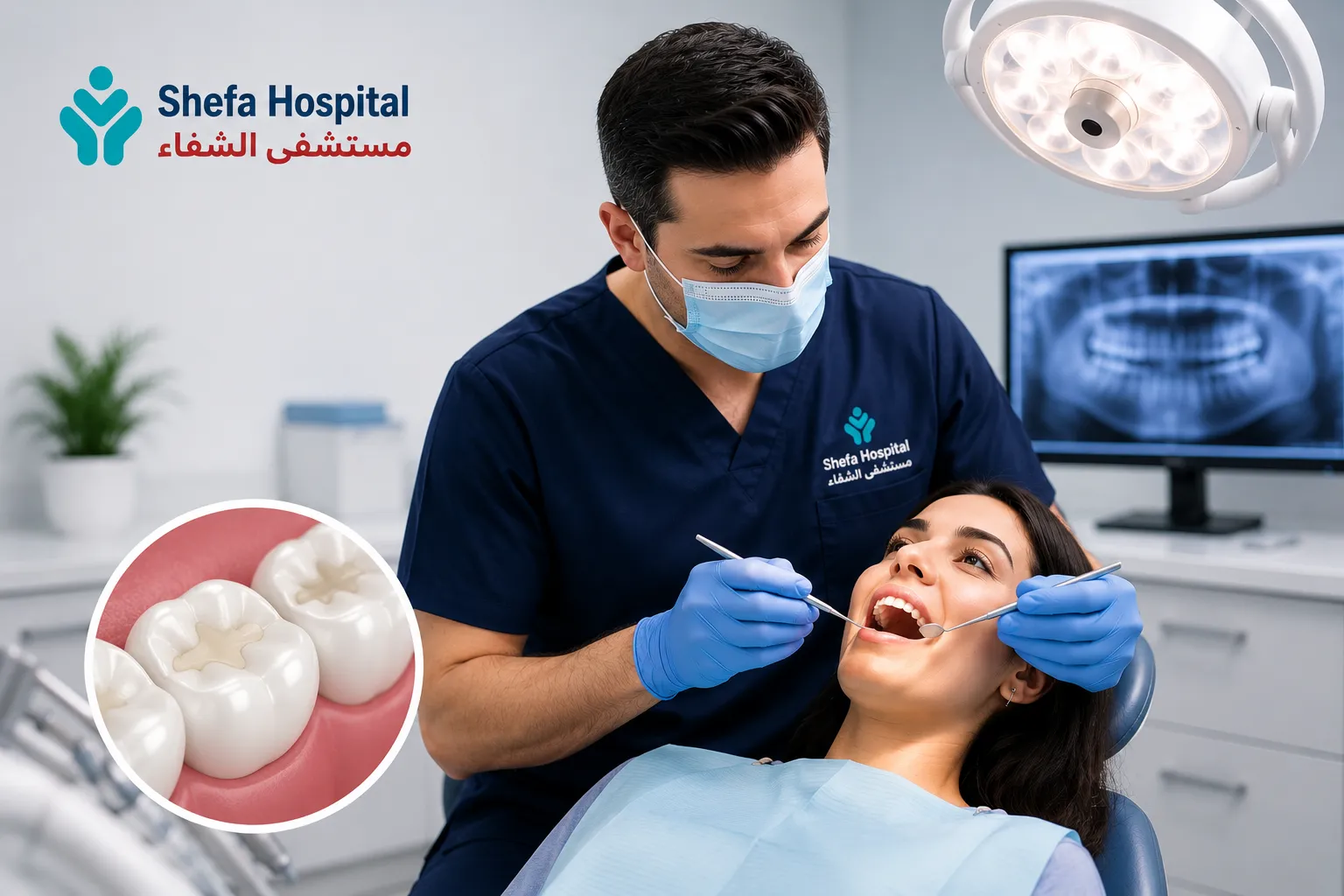
Tooth-Colored Fillings
When tooth decay is detected early, damaged areas can often be restored using tooth-colored filling materials that blend naturally with surrounding teeth.
Fillings help:
-
Restore tooth structure
Replaces lost tooth material to bring back original shape and strength.
-
Prevent further decay
Seals off the cavity to prevent bacteria from causing additional structural damage.
-
Improve chewing function
Allows for comfortable and effective biting and chewing.
-
Preserve natural teeth
Early intervention avoids the need for more invasive treatments like root canals.
Early treatment generally requires less extensive dental work.
Root Canal Treatment
A root canal may be recommended when infection reaches the inner portion of a tooth.
| Procedure Goal | Description |
|---|---|
| Removing infected tissue | Eliminates the source of pain and bacterial growth. |
| Cleaning the root canals | Thoroughly sanitizes the inner chambers of the tooth. |
| Sealing the tooth | Prevents future infection by sealing the treated area. |
| Preserving the natural tooth | Restores function and appearance while keeping the natural structure. |
Tooth Extraction
Sometimes a tooth cannot be restored because of severe damage, extensive decay, infection, or other clinical reasons.
Tooth extraction may be considered when:
- A tooth cannot be repaired
- Infection has significantly damaged the tooth
- Overcrowding affects dental alignment
- Wisdom teeth create ongoing problems
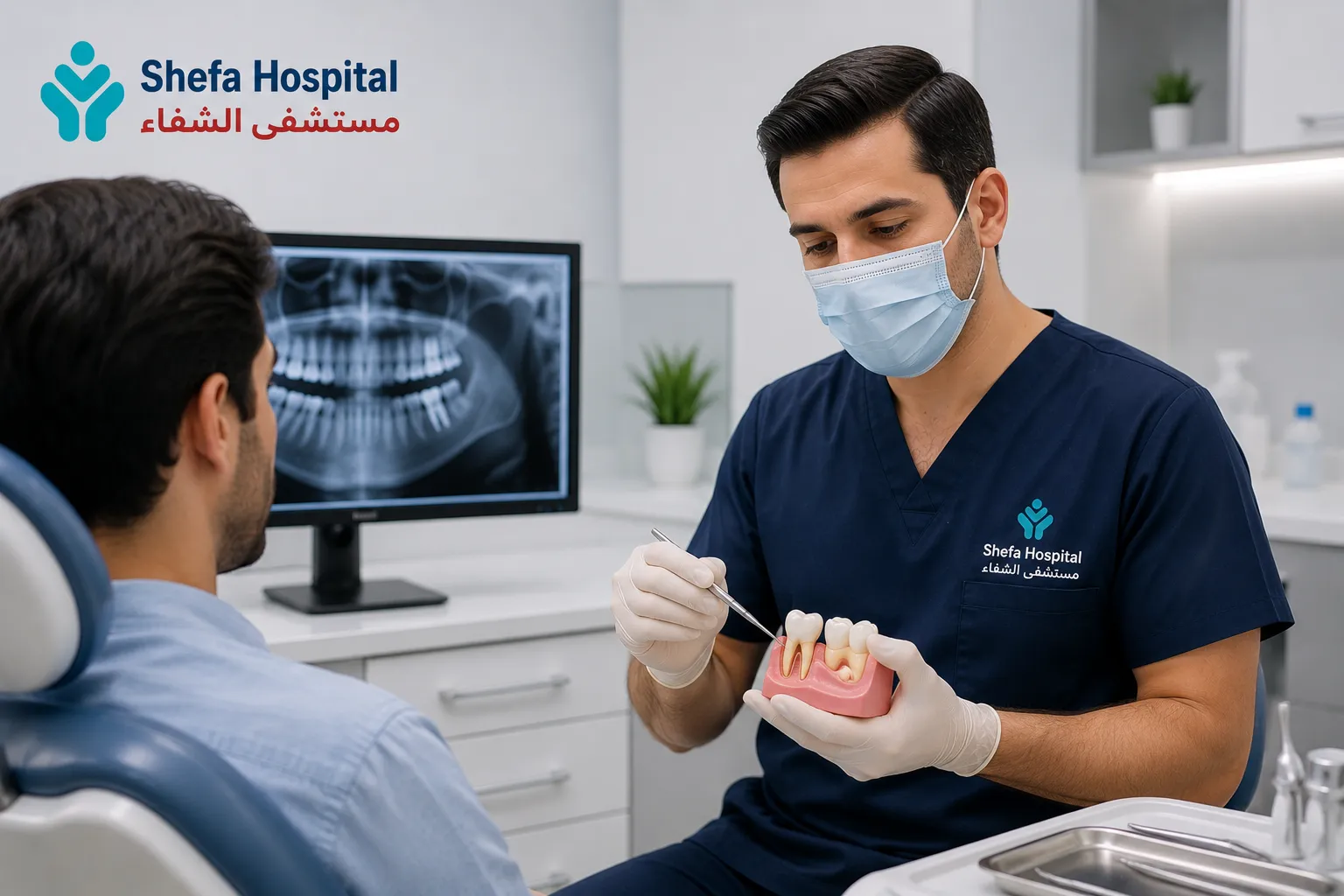
Gum Disease Evaluation
Healthy gums are essential for maintaining healthy teeth. Dentists assess for signs such as:
-
Bleeding gums
-
Gum recession
-
Swelling
-
Bone loss
-
Loose teeth
Common Dental Conditions
Understanding common dental problems helps patients seek treatment before complications develop.
-
1
Tooth Decay
Caused by bacteria producing acids that damage enamel. Symptoms include tooth sensitivity, pain while eating, and persistent toothache.
-
2
Gum Disease
Begins with plaque accumulation; inflammation can spread to supporting tissues causing bleeding, swelling, bad breath, or loose teeth.
-
3
Tooth Sensitivity
Pain triggered by hot, cold, sweet, or acidic foods, often indicating enamel wear, decay, or cracks.
-
4
Cracked or Broken Teeth
Damage caused by grinding, accidents, or biting hard objects. Treatment depends on fracture size and tooth vitality.
Preventive Dentistry: The Foundation of Long-Term Oral Health
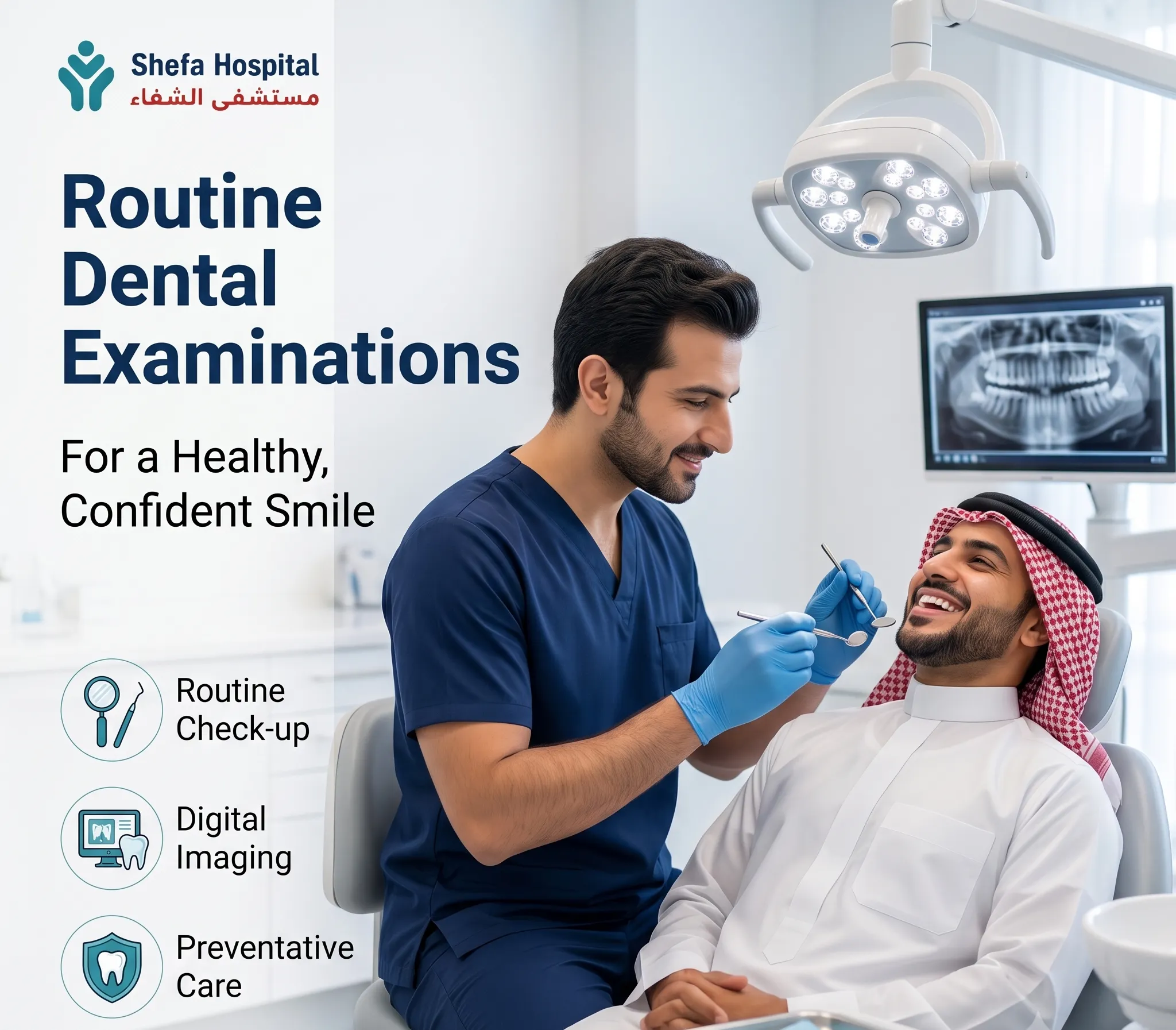
Preventive dentistry focuses on maintaining healthy teeth before disease develops. A preventive care plan may include:
-
Routine dental examinations
-
Professional cleaning
-
Oral hygiene education
-
Dietary guidance
-
Fluoride recommendations
-
Monitoring changes over time
Daily Habits That Help Protect Your Teeth
Good oral health begins with consistent daily care.
Dentists commonly recommend:
| Healthy Habit | Benefit |
|---|---|
| Brush twice daily with fluoride toothpaste | Removes plaque and strengthens enamel |
| Clean between teeth daily | Reduces plaque in hard-to-reach areas |
| Limit sugary snacks and drinks | Lowers the risk of tooth decay |
| Drink enough water | Helps wash away food particles and supports saliva production |
| Replace toothbrush regularly | Improves cleaning effectiveness |
| Schedule routine dental checkups | Detects problems before symptoms develop |
What Happens During Your First Dental Visit?
Many patients delay treatment because they are unsure what to expect.
A first appointment is typically straightforward and focuses on understanding your oral health.
-
1
Step 1 – Medical and Dental History
Your dentist reviews current symptoms, previous dental treatment, medical conditions, current medications, and allergies.
-
2
Step 2 – Oral Examination
The dentist carefully examines your teeth, gums, bite, tongue, soft tissues, and overall oral condition.
-
3
Step 3 – Diagnostic Assessment
If necessary, dental X-rays or additional investigations may be recommended to better understand the condition affecting your teeth or gums.
-
4
Step 4 – Personalized Treatment Planning
After reviewing the findings, your dentist explains the diagnosis, discusses available treatment options, and recommends a care plan based on your oral health needs.
Restorative Dentistry vs. Preventive Dentistry
Many patients only visit a dentist when they experience pain. However, maintaining healthy teeth involves both preventing dental disease and restoring damaged teeth when necessary.
| Preventive Dentistry | Restorative Dentistry |
|---|
Dental Care for Older Adults
As people age, maintaining oral health becomes increasingly important.
Older adults may require evaluation for:
-
Dry mouth
-
Gum recession
-
Tooth wear
-
Root decay
-
Existing dental restorations
-
Oral health changes associated with chronic medical conditions
Daily Choices That Affect Your Smile
Healthy teeth depend not only on professional treatment but also on everyday habits. Simple steps that support long-term oral health include:
- Brushing for at least two minutes twice daily
- Cleaning between teeth every day
- Choosing a balanced diet with limited sugary snacks
- Drinking water instead of sugary beverages whenever possible
- Wearing a mouthguard during contact sports if recommended
- Avoiding tobacco products
- Scheduling routine dental examinations
What Is Contrast Material?
Certain imaging examinations require the use of contrast material to improve visualization of blood vessels, organs, or specific tissues.
Contrast agents may help physicians:
- Differentiate normal and abnormal tissues
- Improve visibility of blood vessels
- Evaluate organ function
- Detect inflammation or certain structural changes
- Plan medical or surgical treatment
Before administering contrast, healthcare professionals review:
- Allergy history
- Kidney function (when appropriate)
- Previous reactions to contrast agents
- Current medications
- Pregnancy status when relevant
Factors That Affect Image Quality
Obtaining clear diagnostic images depends on more than advanced equipment. Several patient-related and technical factors contribute to image quality. These include:
-
Remaining still during the examination
-
Following breathing instructions
-
Appropriate patient positioning
-
Proper preparation before the scan
-
Correct imaging protocol
-
Equipment performance
-
Cooperation between the patient and radiology team
Imaging for Preventive and Ongoing Healthcare
Radiology is not limited to emergency situations. Imaging is frequently used as part of preventive care and long-term disease monitoring.
Diagnostic imaging may assist with:
-
Routine health evaluations
-
Monitoring chronic medical conditions
-
Assessing recovery after surgery
-
Follow-up of previous injuries
-
Evaluating treatment progress
-
Investigating new or persistent symptoms
Questions to Ask During Your Dental Appointment
Being informed helps you participate actively in your dental care.
Useful questions include:
-
What is causing my symptoms?
-
Are there multiple treatment options available?
-
What happens if treatment is delayed?
-
How can I reduce the risk of future dental problems?
-
How often should I schedule routine examinations?
-
Are there lifestyle habits affecting my oral health?
-
What home care routine would you recommend?
Common Misconceptions About Dental Care
Misunderstandings often cause patients to delay treatment until problems become more advanced.
-
“If my tooth doesn’t hurt, it must be healthy.”
Not always. Cavities and gum disease often develop without pain during the early stages.
-
“Bleeding gums are normal.”
Healthy gums should not bleed regularly during brushing or flossing. Persistent bleeding may indicate gum inflammation that should be evaluated.
-
“Professional cleaning damages teeth.”
Professional cleaning removes plaque and hardened tartar without harming healthy tooth structure when performed by trained dental professionals.
-
“Losing teeth is an unavoidable part of aging.”
Natural teeth can often be preserved throughout life with proper oral hygiene, routine dental care, and timely treatment when problems arise.
Frequently Asked Questions
Most people benefit from a dental examination every six months, although the recommended schedule may vary depending on individual oral health, existing dental conditions, and risk factors.
Tooth decay develops when bacteria in dental plaque produce acids that gradually break down tooth enamel. Frequent consumption of sugary foods, inadequate oral hygiene, and irregular dental checkups increase the risk.
Yes. Daily brushing removes much of the plaque on tooth surfaces, but professional cleaning removes hardened tartar that cannot be eliminated with a toothbrush alone.
In many cases, gum disease can be managed successfully when identified early. Treatment depends on the severity of the condition and may include professional cleaning, improved oral hygiene, and ongoing dental follow-up.
Rinse your mouth gently with clean water, avoid chewing on the affected side, and arrange a dental evaluation as soon as possible. Prompt treatment may improve the chances of preserving the tooth.
Many oral diseases progress silently during the early stages. Routine examinations allow dentists to detect cavities, gum disease, and other concerns before they become painful or require more extensive treatment.
Why Choose Shefa Hospital as Your Dental Clinic in Makkah?
Patients searching for the best dental clinic in Makkah often want more than routine dental treatment. They value access to experienced dental professionals, accurate diagnosis, and coordinated hospital-based care in one location.
Located in Al Mansur, Makkah, Shefa Hospital provides comprehensive dental services for patients of different age groups. From preventive examinations and oral hygiene support to restorative dental care and evaluation of complex oral health concerns, the hospital offers an integrated approach that emphasizes patient comfort, evidence-based treatment, and long-term oral health.
The availability of hospital-based diagnostic facilities and collaboration with other medical specialties also supports patients whose dental treatment may be influenced by underlying health conditions such as diabetes, cardiovascular disease, or chronic illnesses.
Key Takeaways & Conclusion
Key Points to Remember
- Regular dental check-ups help prevent cavities and gum disease before they cause pain.
- Professional teeth cleaning removes plaque and tartar that daily brushing cannot reach.
- Early treatment of minor dental issues prevents the need for complex restorative procedures.
- Good oral hygiene is closely linked to overall physical health and well-being.
- Advanced dental technologies allow for accurate diagnosis and comfortable treatment.
Conclusion
Maintaining optimal oral health requires more than daily brushing—it involves routine professional care, early detection of dental issues, and personalized treatment plans. Consistent visits to an experienced dental team ensure that your teeth and gums remain healthy, preventing long-term complications and preserving your natural smile.
For individuals seeking a Dental Clinic in Makkah, Shefa Hospital in Al Mansur offers comprehensive dental services designed to provide accurate diagnostics, preventive care, and advanced treatments. Through a combination of skilled dentists and modern equipment, the clinic focuses on delivering comfortable, patient-centered care for lasting oral health.
Medical Review & Disclaimer
- Reviewed By: Dr. Yousry El Shazli, Consultant General Surgery (Languages: Arabic, English)
- Last Updated: July 2026
- Hospital Accreditation: CBAHI Accredited Facility
Disclaimer: The information on this page is intended for educational purposes only and should not replace professional dental advice, diagnosis, or treatment. Dental conditions vary from person to person, and treatment decisions should always be based on an examination by a qualified dental professional. If you experience severe pain, uncontrolled bleeding, facial swelling, or dental trauma, seek immediate dental or emergency medical care at our facility in Al Mansur, Makkah.