
Intensive Care Unit in Makkah وحدة العناية المركزة في مكة
When Every Minute Matters, Critical Care Makes the Difference عندما تهم كل دقيقة، الرعاية الحرجة تصنع الفارق
Some medical conditions require far more than routine hospital treatment. Patients with life-threatening illnesses or serious injuries often need continuous observation, advanced medical equipment, and specialized support that can only be provided in an Intensive Care Unit (ICU). If you are searching for an Intensive Care Unit in Makkah, understanding how intensive care works can help families make informed decisions during stressful situations. Located in Al Mansur, Makkah, Shefa Hospital provides hospital-based critical care services for patients who require close medical supervision and continuous monitoring.
تتطلب بعض الحالات الطبية أكثر بكثير من العلاج الروتيني في المستشفى. يحتاج المرضى الذين يعانون من أمراض تهدد حياتهم أو إصابات خطيرة في كثير من الأحيان إلى مراقبة مستمرة، ومعدات طبية متقدمة، ودعم متخصص لا يمكن توفيره إلا في وحدة العناية المركزة (ICU). إذا كنت تبحث عن وحدة عناية مركزة في مكة، فإن فهم كيفية عمل العناية المركزة يمكن أن يساعد العائلات على اتخاذ قرارات مستنيرة خلال المواقف العصيبة. يقع مستشفى الشفاء في حي المنصور بمكة، ويقدم خدمات رعاية حرجة داخل المستشفى للمرضى الذين يحتاجون إلى إشراف طبي دقيق ومراقبة مستمرة.
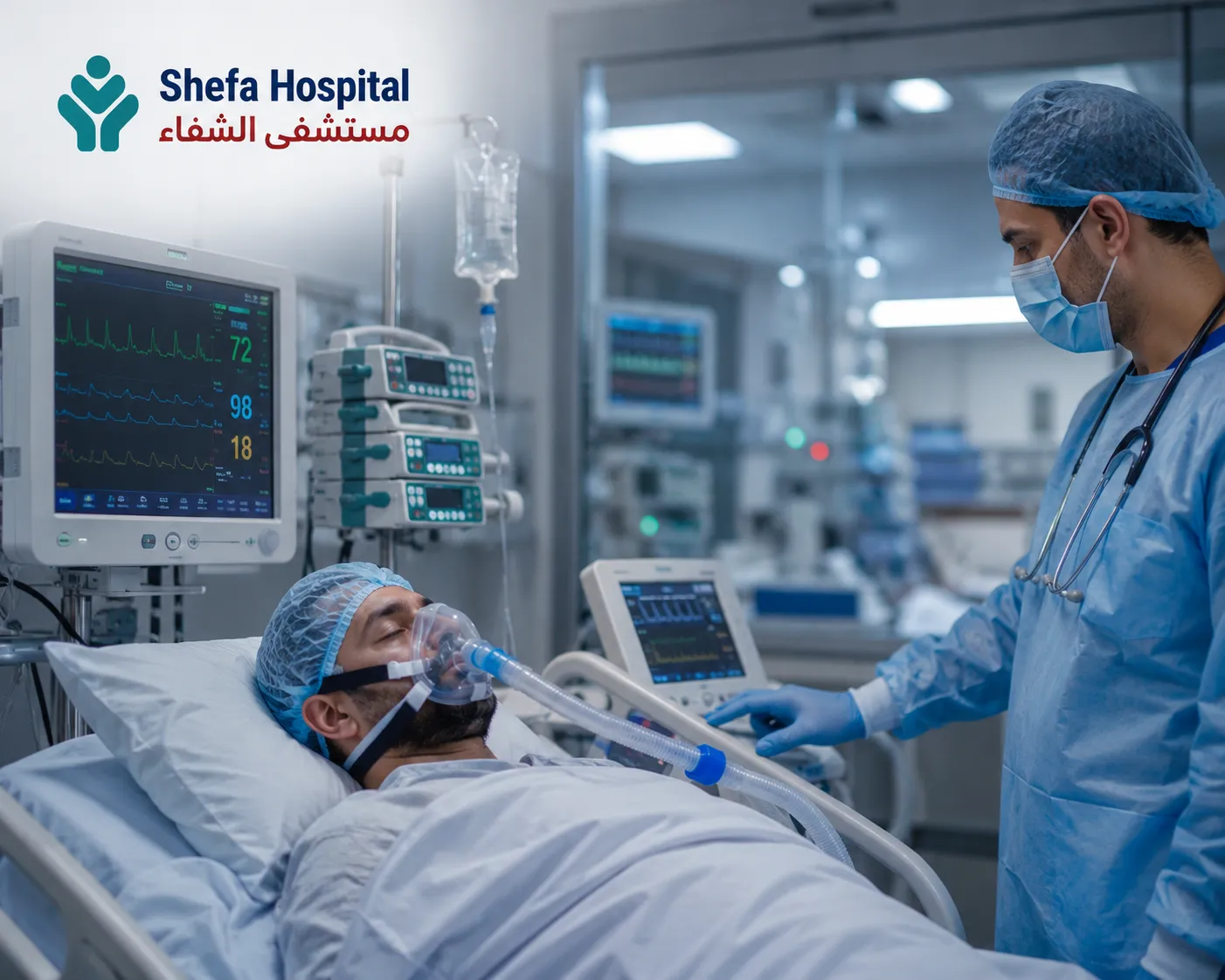
What Is an Intensive Care Unit? ما هي وحدة العناية المركزة؟
An Intensive Care Unit (ICU) is a dedicated hospital department designed for patients whose medical condition requires constant observation and rapid intervention.
وحدة العناية المركزة (ICU) هي قسم مخصص في المستشفى مصمم للمرضى الذين تتطلب حالتهم الطبية مراقبة مستمرة وتدخلاً سريعاً.
Unlike general hospital wards, the ICU is equipped to monitor vital functions around the clock while supporting patients with serious illnesses, major injuries, or complications following surgery.
على عكس أجنحة المستشفى العامة، تم تجهيز وحدة العناية المركزة لمراقبة الوظائف الحيوية على مدار الساعة مع دعم المرضى الذين يعانون من أمراض خطيرة أو إصابات كبيرة أو مضاعفات بعد الجراحة.
The primary goal of intensive care is to stabilize the patient’s condition, treat the underlying illness, and reduce the risk of life-threatening complications.
الهدف الأساسي من العناية المركزة هو استقرار حالة المريض، وعلاج المرض الأساسي، والحد من خطر المضاعفات التي تهدد الحياة.
Who May Need Intensive Care? من قد يحتاج إلى العناية المركزة؟
Patients are admitted to an ICU when their condition requires a higher level of medical attention than a standard hospital room can provide. Critical care may be required for patients experiencing:
يتم إدخال المرضى إلى وحدة العناية المركزة عندما تتطلب حالتهم مستوى أعلى من العناية الطبية مقارنة بما يمكن أن توفره غرف المستشفى العادية. قد تكون الرعاية الحرجة ضرورية للمرضى الذين يعانون من:
Severe infections التهابات حادة
Respiratory failure فشل تنفسي
Major trauma صدمات أو إصابات كبرى
Serious heart-related conditions حالات قلبية خطيرة
Stroke complications مضاعفات السكتة الدماغية
Multiple organ dysfunction خلل في وظائف أعضاء متعددة
Severe dehydration with complications جفاف شديد مع مضاعفات
Major surgical recovery التعافي من جراحات كبرى
Uncontrolled bleeding نزيف حاد لا يمكن السيطرة عليه
Serious neurological conditions حالات عصبية خطيرة
Every admission is based on clinical assessment and the patient’s overall medical condition.
يعتمد كل دخول على التقييم السريري والحالة الطبية العامة للمريض.
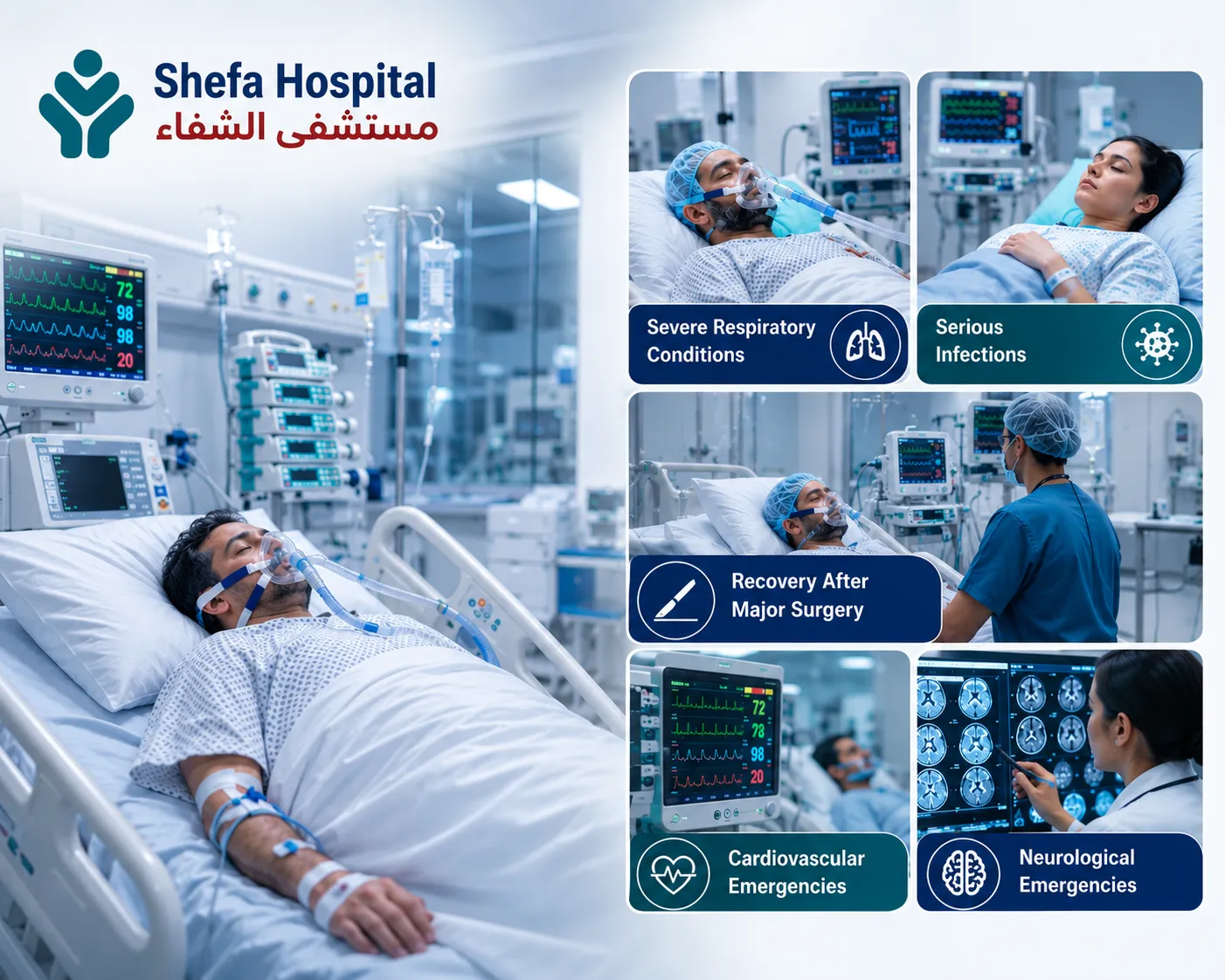
Conditions Commonly Managed in an ICU الحالات التي تُدار عادةً في العناية المركزة
Critical care teams evaluate patients with a wide range of medical emergencies and complex illnesses.
تقوم فرق الرعاية الحرجة بتقييم المرضى الذين يعانون من مجموعة واسعة من حالات الطوارئ الطبية والأمراض المعقدة.
These may include:
قد تشمل هذه الحالات:
Severe Respiratory Conditions حالات الجهاز التنفسي الحادة
Patients with serious breathing difficulties may require oxygen therapy, continuous monitoring, or additional respiratory support while doctors identify and treat the underlying cause. قد يحتاج المرضى الذين يعانون من صعوبات خطيرة في التنفس إلى العلاج بالأكسجين، أو المراقبة المستمرة، أو دعم تنفسي إضافي بينما يحدد الأطباء السبب الأساسي ويعالجونه.
Serious Infections حالات العدوى الخطيرة
Severe infections can affect multiple organs if not managed promptly. Intensive care allows healthcare professionals to closely monitor blood pressure, oxygen levels, and organ function during treatment. يمكن أن تؤثر الالتهابات الشديدة على أعضاء متعددة إذا لم يتم التعامل معها على الفور. تتيح العناية المركزة لمتخصصي الرعاية الصحية مراقبة ضغط الدم ومستويات الأكسجين ووظائف الأعضاء عن كثب أثناء العلاج.
Recovery After Major Surgery التعافي بعد الجراحة الكبرى
Some patients require intensive monitoring immediately after complex surgical procedures, particularly when additional observation is necessary during the first stages of recovery. يتطلب بعض المرضى مراقبة مكثفة فوراً بعد الإجراءات الجراحية المعقدة، خاصة عندما تكون الملاحظة الإضافية ضرورية خلال المراحل الأولى من التعافي.
Cardiovascular Emergencies حالات الطوارئ للقلب والأوعية الدموية
Patients with unstable heart conditions may require continuous monitoring of heart rhythm, blood pressure, and circulation while treatment is provided. قد يحتاج المرضى الذين يعانون من حالات قلبية غير مستقرة إلى مراقبة مستمرة لإيقاع القلب وضغط الدم والدورة الدموية أثناء تقديم العلاج.
Neurological Emergencies حالات الطوارئ العصبية
Conditions affecting the brain or nervous system may require frequent neurological assessments and close observation to detect changes in the patient’s condition. قد تتطلب الحالات التي تؤثر على الدماغ أو الجهاز العصبي تقييمات عصبية متكررة ومراقبة دقيقة لاكتشاف التغيرات في حالة المريض.
How Intensive Care Differs from a Regular Hospital Room كيف تختلف العناية المركزة عن غرفة المستشفى العادية
Many families are unfamiliar with the purpose of an ICU and wonder why a loved one cannot remain in a standard inpatient ward.
لا تعرف العديد من العائلات الغرض من وحدة العناية المركزة وتتساءل عن سبب عدم تمكن أحبائهم من البقاء في جناح داخلي قياسي.
The main difference lies in the level of monitoring and medical support available.
يكمن الاختلاف الرئيسي في مستوى المراقبة والدعم الطبي المتاح.
| Intensive Care Unit (ICU) وحدة العناية المركزة (ICU) | General Hospital Ward جناح المستشفى العام |
|---|---|
|
Continuous patient monitoring مراقبة مستمرة للمريض |
Periodic observations ملاحظات دورية للمريض |
|
Immediate response to changes استجابة فورية للتغيرات |
Routine nursing assessments تقييمات تمريضية روتينية |
|
Advanced monitoring equipment معدات مراقبة متقدمة |
Standard bedside monitoring مراقبة قياسية بجانب السرير |
|
Higher staff-to-patient ratio نسبة أعلى من طاقم التمريض للمرضى |
General inpatient care رعاية عامة للمرضى الداخليين |
|
Designed for unstable patients مصممة للمرضى ذوي الحالات غير المستقرة |
Designed for stable patients مصممة للمرضى ذوي الحالات المستقرة |
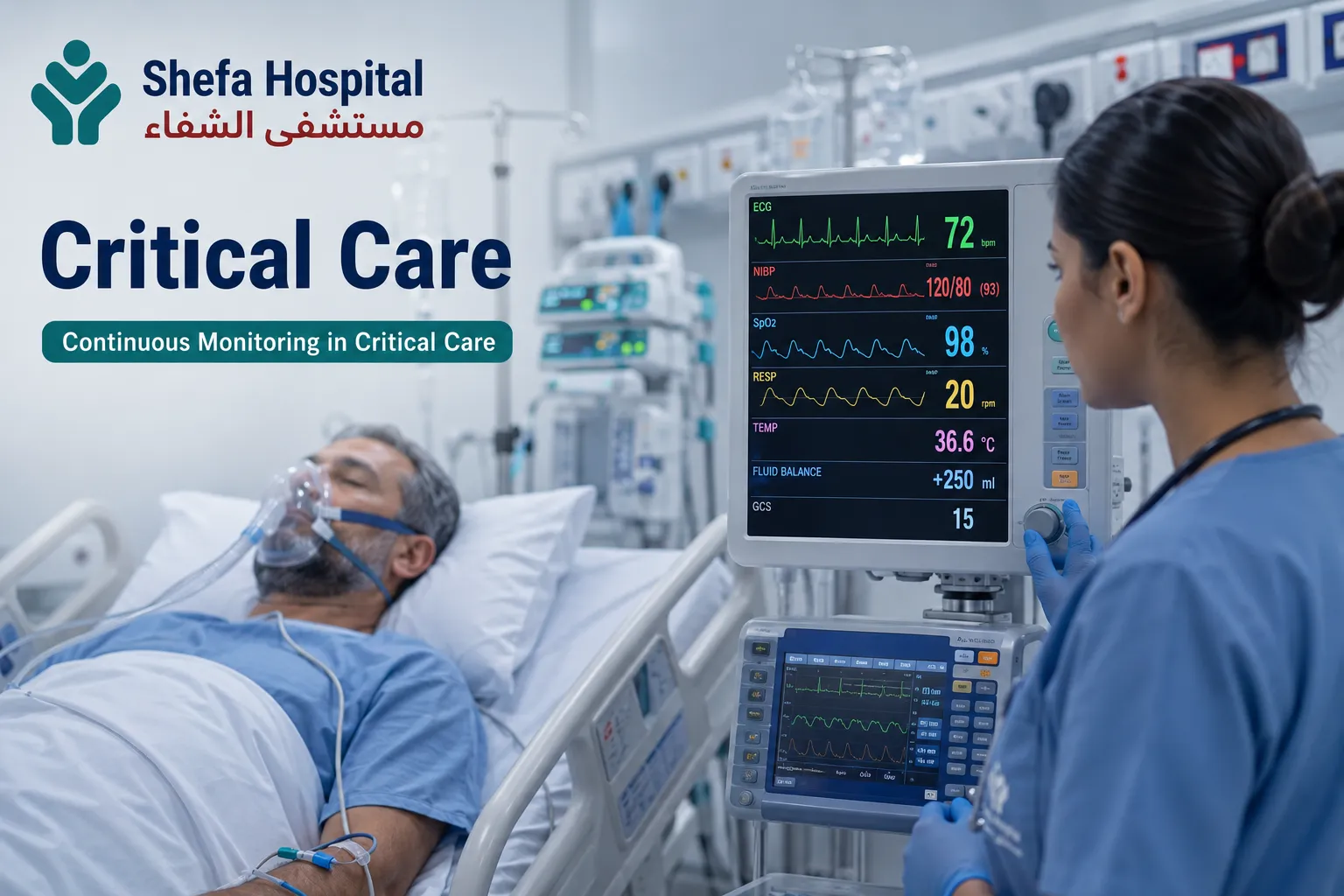
Continuous Monitoring in Critical Care المراقبة المستمرة في الرعاية الحرجة
One of the defining features of an ICU is the ability to monitor patients continuously.
إحدى الميزات الأساسية لوحدة العناية المركزة هي القدرة على مراقبة المرضى باستمرار.
Healthcare professionals regularly assess: يقوم متخصصو الرعاية الصحية بتقييم ما يلي بانتظام:
- Heart rate معدل ضربات القلب
- Blood pressure ضغط الدم
- Oxygen saturation تشبع الأكسجين
- Respiratory rate معدل التنفس
- Body temperature درجة حرارة الجسم
- Fluid balance توازن السوائل
- Level of consciousness مستوى الوعي
Continuous monitoring allows medical teams to identify changes quickly and adjust treatment without unnecessary delays.
تتيح المراقبة المستمرة للفرق الطبية التعرف على التغييرات بسرعة وتعديل العلاج دون تأخير غير مبرر.
Medical Technology Used in Intensive Care التكنولوجيا الطبية المستخدمة في العناية المركزة
Modern intensive care combines clinical expertise with advanced monitoring systems. Depending on the patient’s condition, ICU care may involve: تجمع العناية المركزة الحديثة بين الخبرة السريرية وأنظمة المراقبة المتقدمة. اعتمادًا على حالة المريض، قد تشمل رعاية العناية المركزة ما يلي:
The ICU Care Process عملية الرعاية في العناية المركزة
Critical care follows a structured clinical approach to ensure patients receive appropriate treatment throughout their stay.
تتبع الرعاية الحرجة نهجًا سريريًا منظمًا لضمان تلقي المرضى للعلاج المناسب طوال فترة إقامتهم.
Initial Assessment التقييم الأولي
Doctors evaluate the patient’s condition, review available medical history, and determine the immediate priorities for treatment. يقوم الأطباء بتقييم حالة المريض، ومراجعة التاريخ الطبي المتاح، وتحديد الأولويات العاجلة للعلاج.
Stabilization استقرار الحالة
The medical team focuses on supporting vital functions while addressing the underlying illness or injury. يركز الفريق الطبي على دعم الوظائف الحيوية أثناء التعامل مع المرض أو الإصابة الأساسية.
Ongoing Observation المراقبة المستمرة
Patient progress is reviewed regularly through clinical examinations, laboratory investigations, and continuous monitoring. تتم مراجعة تقدم حالة المريض بانتظام من خلال الفحوصات السريرية والفحوصات المخبرية والمراقبة المستمرة.
Treatment Adjustments تعديلات العلاج
As the patient’s condition changes, medications, monitoring, and supportive care are modified accordingly. مع تغير حالة المريض، يتم تعديل الأدوية والمراقبة والرعاية الداعمة وفقًا لذلك.
Transfer to Another Unit النقل إلى وحدة أخرى
Once intensive monitoring is no longer necessary, patients may be transferred to a general ward to continue their recovery. بمجرد ألا تعود المراقبة المكثفة ضرورية، قد يتم نقل المرضى إلى جناح عام لمواصلة تعافيهم.
Why Early Admission to Intensive Care Can Be Important لماذا يمكن أن يكون الدخول المبكر إلى العناية المركزة مهماً
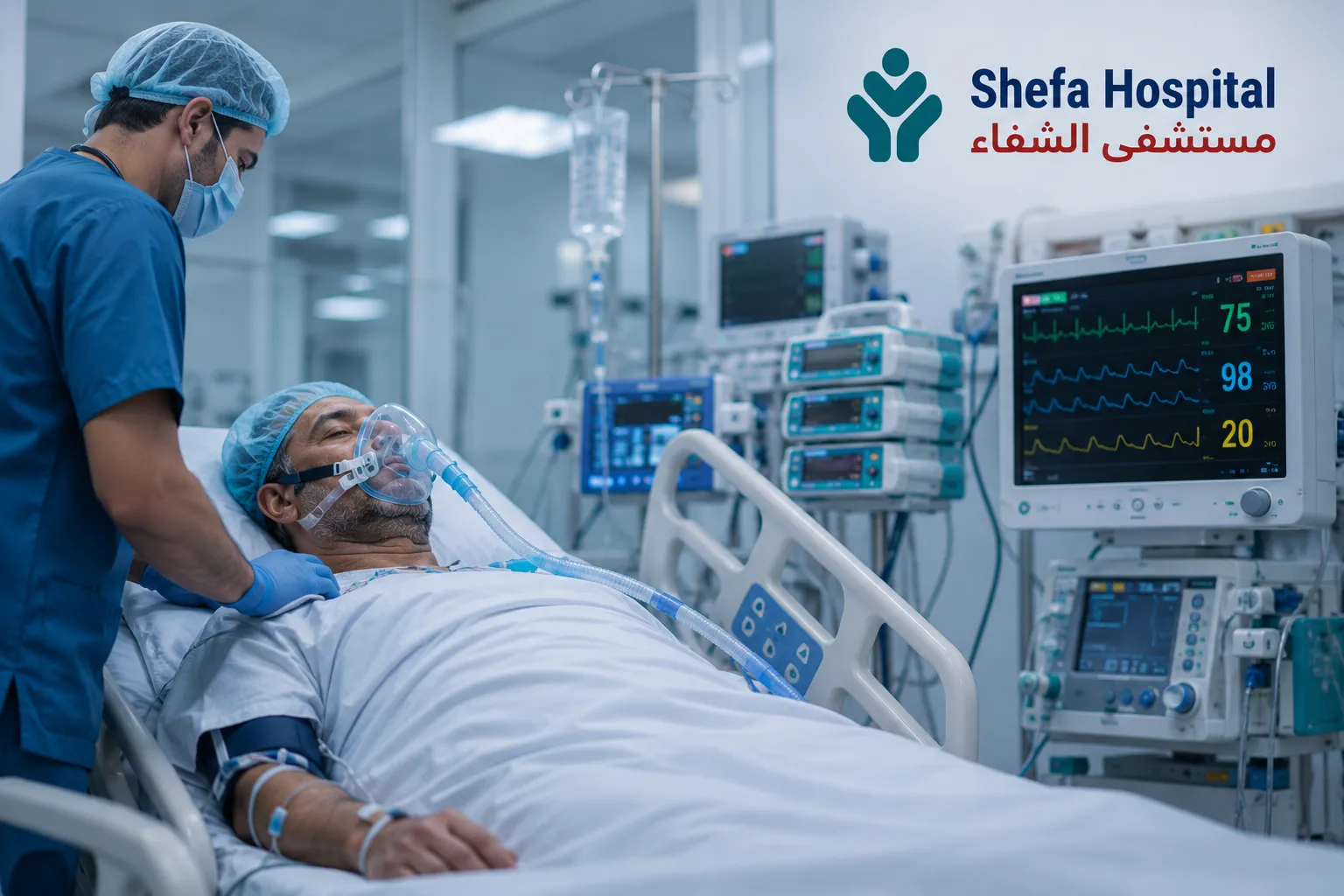
Some serious illnesses progress rapidly, making timely intervention essential. Early critical care may help:
تتطور بعض الأمراض الخطيرة بسرعة، مما يجعل التدخل في الوقت المناسب أمراً ضرورياً. قد تساعد الرعاية الحرجة المبكرة في:
-
Support breathing and circulation دعم التنفس والدورة الدموية
-
Reduce the risk of complications تقليل خطر حدوث مضاعفات
-
Monitor response to treatment مراقبة الاستجابة للعلاج
-
Detect changes in condition promptly اكتشاف التغيرات في الحالة على الفور
-
Improve recovery in appropriate clinical situations تحسين التعافي في الحالات السريرية المناسبة
The decision to admit a patient to the ICU is always based on medical evaluation and clinical judgment.
يعتمد قرار إدخال المريض إلى وحدة العناية المركزة دائماً على التقييم الطبي والحكم السريري.
Families Play an Important Role تلعب العائلات دوراً مهماً
Having a loved one admitted to intensive care can be emotionally challenging.
قد يكون دخول أحد أفراد الأسرة إلى العناية المركزة أمراً صعباً من الناحية العاطفية.
Families can support patient care by:
يمكن للعائلات دعم رعاية المريض من خلال:
Providing accurate medical history تقديم تاريخ طبي دقيق
Sharing information about medications مشاركة المعلومات حول الأدوية
Informing staff about allergies إبلاغ الموظفين عن الحساسية
Following hospital visitation policies اتباع سياسات زيارة المستشفى
Asking questions about treatment plans طرح أسئلة حول خطط العلاج
Staying in contact with the healthcare team البقاء على اتصال مع فريق الرعاية الصحية
ICU Admission: How Doctors Decide دخول العناية المركزة: كيف يقرر الأطباء
Admission to an Intensive Care Unit is based on the patient’s medical condition rather than a single diagnosis. The critical care team evaluates whether continuous monitoring, advanced life support, or rapid medical intervention is necessary.
يعتمد الدخول إلى وحدة العناية المركزة على الحالة الطبية للمريض وليس على تشخيص واحد. يُقيّم فريق الرعاية الحرجة ما إذا كانت المراقبة المستمرة أو دعم الحياة المتقدم أو التدخل الطبي السريع أمراً ضرورياً.
Patients may be admitted to the ICU if they:
قد يتم إدخال المرضى إلى وحدة العناية المركزة إذا كانوا:
Have unstable blood pressure يعانون من عدم استقرار في ضغط الدم
Require breathing support يحتاجون إلى دعم تنفسي
Need close observation after major surgery يحتاجون إلى مراقبة دقيقة بعد جراحة كبرى
Show signs of organ dysfunction يظهرون علامات على خلل في وظائف الأعضاء
Experience severe infections affecting multiple body systems يعانون من التهابات حادة تؤثر على أجهزة متعددة في الجسم
Require continuous monitoring that cannot be provided in a standard hospital ward يحتاجون إلى مراقبة مستمرة لا يمكن توفيرها في جناح المستشفى العادي
ICU vs. High Dependency Unit (HDU) وحدة العناية المركزة مقابل وحدة الاعتماد العالي (HDU)
Not every seriously ill patient requires intensive care. Some patients may recover in a High Dependency Unit (HDU), which provides an intermediate level of monitoring.
لا يحتاج كل مريض مصاب بمرض خطير إلى العناية المركزة. قد يتعافى بعض المرضى في وحدة الاعتماد العالي (HDU)، والتي توفر مستوى متوسطاً من المراقبة.
| Feature الميزة | Intensive Care Unit (ICU) وحدة العناية المركزة (ICU) | High Dependency Unit (HDU) وحدة الاعتماد العالي (HDU) |
|---|---|---|
| Patient Condition حالة المريض | Critically ill حالة حرجة | Stable but requires close observation مستقر ولكنه يتطلب مراقبة دقيقة |
| Monitoring المراقبة | Continuous مستمرة | Frequent scheduled monitoring مراقبة مجدولة متكررة |
| Nursing Support دعم التمريض | Higher staff-to-patient ratio نسبة أعلى من طاقم التمريض للمرضى | Moderate staff-to-patient ratio نسبة متوسطة من طاقم التمريض للمرضى |
| Advanced Life Support دعم الحياة المتقدم | Available when required متاح عند الحاجة | Usually not required continuously عادة لا يكون مطلوباً بشكل مستمر |
| Transfer النقل | Patients move to HDU or ward after improvement ينتقل المرضى إلى وحدة HDU أو الجناح بعد التحسن | Patients transfer to general ward when stable ينتقل المرضى إلى الجناح العام عندما تستقر حالتهم |
Decision Guide: Does a Patient Need Intensive Care? دليل القرار: هل يحتاج المريض إلى العناية المركزة؟
Although only doctors can determine ICU admission, the following situations often indicate the need for immediate hospital assessment.
على الرغم من أن الأطباء فقط هم من يمكنهم تحديد الحاجة إلى دخول العناية المركزة، فإن الحالات التالية غالباً ما تشير إلى الحاجة إلى تقييم عاجل في المستشفى.
| Clinical Situation الحالة السريرية | Emergency Evaluation Recommended يوصى بالتقييم الطارئ |
|---|---|
| Difficulty breathing despite treatment صعوبة في التنفس بالرغم من العلاج | |
| Sudden loss of consciousness فقدان مفاجئ للوعي | |
| Severe infection with low blood pressure عدوى شديدة مع انخفاض في ضغط الدم | |
| Major accident with multiple injuries حادث كبير مع إصابات متعددة | |
| Serious complications after surgery مضاعفات خطيرة بعد الجراحة | |
| Persistent seizures نوبات صرع مستمرة | |
| Rapid deterioration of an existing illness تدهور سريع لمرض حالي |

Recovery After Intensive Care التعافي بعد العناية المركزة
Leaving the ICU is an important milestone, but recovery often continues after transfer to another hospital unit or after discharge.
تعتبر مغادرة وحدة العناية المركزة علامة فارقة مهمة، ولكن التعافي غالباً ما يستمر بعد النقل إلى وحدة أخرى في المستشفى أو بعد الخروج.
Recovery may involve: قد يشمل التعافي:
-
Continued medical observation المراقبة الطبية المستمرة
-
Medication adjustments تعديلات الأدوية
-
Nutritional support الدعم الغذائي
-
Respiratory rehabilitation when needed إعادة التأهيل التنفسي عند الحاجة
-
Physical therapy العلاج الطبيعي
-
Follow-up consultations استشارات المتابعة
-
Management of underlying medical conditions إدارة الحالات الطبية الأساسية
Image Quality and Patient Safety جودة الصورة وسلامة المرضى
Modern diagnostic imaging is designed to provide physicians with detailed information while following established safety standards. Every examination is selected based on clinical need, ensuring that the expected diagnostic benefit outweighs any potential risks.
تم تصميم التصوير التشخيصي الحديث لتزويد الأطباء بمعلومات مفصلة مع اتباع معايير السلامة المعمول بها. يتم اختيار كل فحص بناءً على الحاجة السريرية، مما يضمن أن الفائدة التشخيصية المتوقعة تفوق أي مخاطر محتملة.
Patient safety is supported through: يتم دعم سلامة المرضى من خلال:
-
Verification of the requested examination التحقق من الفحص المطلوب
-
Appropriate imaging protocols بروتوكولات التصوير المناسبة
-
Equipment maintenance and calibration صيانة المعدات ومعايرتها
-
Trained radiologic technologists تقنيو أشعة مدربون
-
Radiologist supervision and interpretation إشراف وتفسير طبيب الأشعة
-
Individualized imaging based on age and medical condition تصوير فردي بناءً على العمر والحالة الطبية
These measures help produce high-quality diagnostic images while supporting safe patient care.
تساعد هذه التدابير في إنتاج صور تشخيصية عالية الجودة مع دعم الرعاية الآمنة للمرضى.
Understanding Radiation in Medical Imaging فهم الإشعاع في التصوير الطبي
Many patients worry about radiation exposure before undergoing an imaging examination. In reality, not every imaging technique uses radiation, and physicians recommend studies only when they are medically justified.
يشعر العديد من المرضى بالقلق إزاء التعرض للإشعاع قبل إجراء فحص التصوير. في الواقع، لا تستخدم كل تقنيات التصوير الإشعاع، ولا يوصي الأطباء بالدراسات إلا عندما يكون لها مبرر طبي.
Here’s a simple comparison:
إليك مقارنة بسيطة:
| Imaging Method طريقة التصوير | Uses Radiation? يستخدم الإشعاع؟ | Common Purpose الغرض الشائع |
|---|---|---|
| Digital X-ray الأشعة السينية الرقمية | Yes نعم | Bones, chest, joints, certain abdominal conditions العظام، الصدر، المفاصل، بعض حالات البطن |
| CT Scan الأشعة المقطعية (CT) | Yes نعم | Detailed cross-sectional imaging of organs, bones, and injuries تصوير مقطعي مفصل للأعضاء والعظام والإصابات |
| Ultrasound الموجات فوق الصوتية | No لا | Pregnancy, abdomen, pelvis, thyroid, soft tissues الحمل، البطن، الحوض، الغدة الدرقية، الأنسجة الرخوة |
| MRI* الرنين المغناطيسي (MRI)* | No لا | Soft tissues, brain, spine, joints (if available) الأنسجة الرخوة، الدماغ، العمود الفقري، المفاصل (إذا توفرت) |
What Is Contrast Material? ما هي مادة التباين؟
Certain imaging examinations require the use of contrast material to improve visualization of blood vessels, organs, or specific tissues.
تتطلب بعض فحوصات التصوير استخدام مادة التباين (الصبغة) لتحسين رؤية الأوعية الدموية أو الأعضاء أو أنسجة معينة.
Contrast agents may help physicians: قد تساعد مواد التباين الأطباء في:
- Differentiate normal and abnormal tissues التمييز بين الأنسجة الطبيعية وغير الطبيعية
- Improve visibility of blood vessels تحسين رؤية الأوعية الدموية
- Evaluate organ function تقييم وظائف الأعضاء
- Detect inflammation or certain structural changes اكتشاف الالتهابات أو بعض التغيرات الهيكلية
- Plan medical or surgical treatment تخطيط العلاج الطبي أو الجراحي
Before administering contrast, healthcare professionals review: قبل إعطاء مادة التباين، يراجع المتخصصون:
- Allergy history تاريخ الحساسية
- Kidney function (when appropriate) وظائف الكلى (عند الاقتضاء)
- Previous reactions to contrast agents ردود الفعل السابقة لمواد التباين
- Current medications الأدوية الحالية
- Pregnancy status when relevant حالة الحمل (عند الاقتضاء)
Factors That Affect Image Quality العوامل التي تؤثر على جودة الصورة
Obtaining clear diagnostic images depends on more than advanced equipment. Several patient-related and technical factors contribute to image quality. These include:
الحصول على صور تشخيصية واضحة يعتمد على أكثر من مجرد المعدات المتقدمة. تساهم العديد من العوامل المتعلقة بالمريض والتقنية في جودة الصورة. وتشمل هذه:
-
Remaining still during the examination البقاء ثابتاً أثناء الفحص
-
Following breathing instructions اتباع تعليمات التنفس
-
Appropriate patient positioning الوضع المناسب للمريض
-
Proper preparation before the scan التحضير السليم قبل الفحص
-
Correct imaging protocol بروتوكول التصوير الصحيح
-
Equipment performance أداء المعدات
-
Cooperation between the patient and radiology team التعاون بين المريض وفريق الأشعة
Imaging for Preventive and Ongoing Healthcare التصوير للرعاية الصحية الوقائية والمستمرة
Radiology is not limited to emergency situations. Imaging is frequently used as part of preventive care and long-term disease monitoring.
لا يقتصر دور الأشعة على حالات الطوارئ. يُستخدم التصوير بشكل متكرر كجزء من الرعاية الوقائية ومراقبة الأمراض على المدى الطويل.
Diagnostic imaging may assist with:
قد يساعد التصوير التشخيصي في:
-
Routine health evaluations التقييمات الصحية الروتينية
-
Monitoring chronic medical conditions مراقبة الحالات الطبية المزمنة
-
Assessing recovery after surgery تقييم التعافي بعد الجراحة
-
Follow-up of previous injuries متابعة الإصابات السابقة
-
Evaluating treatment progress تقييم تقدم العلاج
-
Investigating new or persistent symptoms فحص الأعراض الجديدة أو المستمرة
Questions Families May Wish to Ask the Critical Care Team أسئلة قد ترغب العائلات في طرحها على فريق العناية المركزة
Open communication helps families understand the patient’s condition and treatment plan. يساعد التواصل المفتوح العائلات على فهم حالة المريض وخطة العلاج.
Helpful questions include: تشمل الأسئلة المفيدة ما يلي:
-
What is the current diagnosis? ما هو التشخيص الحالي؟
-
Why was ICU admission necessary? لماذا كان الدخول إلى العناية المركزة ضرورياً؟
-
What treatments are being provided? ما هي العلاجات التي يتم تقديمها؟
-
How is the patient’s condition being monitored? كيف تتم مراقبة حالة المريض؟
-
Are additional investigations planned? هل هناك فحوصات إضافية مخطط لها؟
-
What signs indicate improvement? ما هي العلامات التي تدل على التحسن؟
-
What are the next steps if the patient becomes more stable? ما هي الخطوات التالية إذا أصبحت حالة المريض أكثر استقراراً؟
-
How often will the family receive updates? كم مرة ستتلقى العائلة تحديثات عن الحالة؟
Questions Families May Wish to Ask the Critical Care Team أسئلة قد ترغب العائلات في طرحها على فريق العناية المركزة
Open communication helps families understand the patient’s condition and treatment plan. يساعد التواصل المفتوح العائلات على فهم حالة المريض وخطة العلاج.
Helpful questions include: تشمل الأسئلة المفيدة ما يلي:
-
What is the current diagnosis? ما هو التشخيص الحالي؟
-
Why was ICU admission necessary? لماذا كان الدخول إلى العناية المركزة ضرورياً؟
-
What treatments are being provided? ما هي العلاجات التي يتم تقديمها؟
-
How is the patient’s condition being monitored? كيف تتم مراقبة حالة المريض؟
-
Are additional investigations planned? هل هناك فحوصات إضافية مخطط لها؟
-
What signs indicate improvement? ما هي العلامات التي تدل على التحسن؟
-
What are the next steps if the patient becomes more stable? ما هي الخطوات التالية إذا أصبحت حالة المريض أكثر استقراراً؟
-
How often will the family receive updates? كم مرة ستتلقى العائلة تحديثات عن الحالة؟
Frequently Asked Questions الأسئلة المتكررة
An Intensive Care Unit provides specialized hospital care for patients with serious illnesses or injuries that require continuous monitoring, advanced treatment, and rapid medical intervention.
توفر وحدة العناية المركزة رعاية متخصصة في المستشفى للمرضى الذين يعانون من أمراض أو إصابات خطيرة تتطلب مراقبة مستمرة وعلاجاً متقدماً وتدخلاً طبياً سريعاً.
The treating physicians evaluate the patient’s condition, vital signs, diagnostic findings, and overall medical needs before deciding whether intensive care is appropriate.
يقوم الأطباء المعالجون بتقييم حالة المريض والعلامات الحيوية والنتائج التشخيصية والاحتياجات الطبية الشاملة قبل تقرير ما إذا كانت العناية المركزة مناسبة.
Visitation policies vary depending on hospital guidelines, infection control measures, and the patient’s condition. Families should follow the instructions provided by the healthcare team.
تختلف سياسات الزيارة حسب إرشادات المستشفى وتدابير مكافحة العدوى وحالة المريض. يجب على العائلات اتباع التعليمات المقدمة من فريق الرعاية الصحية.
There is no standard duration. Some patients require intensive care for a short period, while others may need extended monitoring depending on their illness and recovery.
لا توجد مدة قياسية. يحتاج بعض المرضى إلى العناية المركزة لفترة قصيرة، بينما قد يحتاج آخرون إلى مراقبة ممتدة بناءً على مرضهم وتعافيهم.
Patients who no longer require continuous monitoring are usually transferred to another inpatient unit, where treatment and recovery continue before discharge.
عادة ما يتم نقل المرضى الذين لم يعودوا بحاجة إلى مراقبة مستمرة إلى وحدة أخرى للمرضى الداخليين، حيث يستمر العلاج والتعافي قبل الخروج.
No. ICU care is also provided for severe infections, respiratory failure, trauma, neurological emergencies, cardiac conditions, and other life-threatening illnesses.
لا. يتم توفير رعاية العناية المركزة أيضاً للالتهابات الشديدة، وفشل الجهاز التنفسي، والصدمات، وحالات الطوارئ العصبية، وأمراض القلب، وغيرها من الأمراض التي تهدد الحياة.
Why Choose Shefa Hospital for Critical Care in Makkah? لماذا تختار مستشفى الشفاء للعناية المركزة في مكة؟
Families searching for an ICU hospital in Makkah often look for timely access to hospital-based critical care, diagnostic support, and coordinated medical management. غالبًا ما تبحث العائلات التي تبحث عن مستشفى للعناية المركزة في مكة عن وصول في الوقت المناسب إلى الرعاية الحرجة داخل المستشفى والدعم التشخيصي والإدارة الطبية المنسقة.
Located in Al Mansur, Makkah, Shefa Hospital provides intensive care services for patients requiring continuous observation and advanced medical supervision. The hospital’s multidisciplinary approach enables emergency physicians, specialists, nursing teams, laboratory services, and diagnostic departments to work together in managing complex medical conditions. يقع مستشفى الشفاء في حي المنصور بمكة المكرمة، ويقدم خدمات العناية المركزة للمرضى الذين يحتاجون إلى مراقبة مستمرة وإشراف طبي متقدم. يتيح النهج متعدد التخصصات للمستشفى لأطباء الطوارئ والمتخصصين وفرق التمريض وخدمات المختبرات وأقسام التشخيص العمل معًا في إدارة الحالات الطبية المعقدة.
This coordinated model supports timely decision-making while ensuring patients receive care appropriate to the severity of their condition. يدعم هذا النموذج المنسق اتخاذ القرار في الوقت المناسب مع ضمان حصول المرضى على رعاية تتناسب مع شدة حالتهم.
Key Takeaways & Conclusion أهم النقاط والخاتمة
Key Points to Remember نقاط رئيسية يجب تذكرها
-
Intensive care is intended for patients with critical or unstable medical conditions. العناية المركزة مخصصة للمرضى الذين يعانون من حالات طبية حرجة أو غير مستقرة.
-
Continuous monitoring allows healthcare teams to respond quickly to changes in a patient’s health. تتيح المراقبة المستمرة لفرق الرعاية الصحية الاستجابة بسرعة للتغيرات في صحة المريض.
-
ICU admission is based on clinical assessment rather than a specific disease. يعتمد الدخول إلى العناية المركزة على التقييم السريري بدلاً من مرض معين.
-
Recovery often continues after transfer from intensive care to another hospital unit. يستمر التعافي غالباً بعد النقل من العناية المركزة إلى وحدة مستشفى أخرى.
-
Family members play an important role by providing medical information and maintaining communication with the healthcare team. يلعب أفراد الأسرة دوراً مهماً من خلال توفير المعلومات الطبية والحفاظ على التواصل مع فريق الرعاية الصحية.
Conclusion الخاتمة
An Intensive Care Unit is a vital part of modern hospital care, providing advanced monitoring and treatment for patients facing serious medical conditions. Timely admission, continuous observation, and coordinated clinical management help support patients during the most critical stages of illness or recovery.
تعد وحدة العناية المركزة جزءاً حيوياً من رعاية المستشفيات الحديثة، حيث توفر مراقبة وعلاجاً متقدماً للمرضى الذين يواجهون حالات طبية خطيرة. يساعد الدخول في الوقت المناسب والمراقبة المستمرة والإدارة السريرية المنسقة في دعم المرضى خلال المراحل الأكثر حرجاً من المرض أو التعافي.
For individuals seeking an Intensive Care Unit in Makkah, Shefa Hospital in Al Mansur offers hospital-based critical care designed to manage patients who require close supervision and comprehensive medical support. Through collaboration between physicians, nursing professionals, and diagnostic services, the hospital focuses on delivering appropriate care while adapting treatment plans to each patient’s clinical needs.
بالنسبة للأفراد الذين يبحثون عن وحدة عناية مركزة في مكة، يقدم مستشفى الشفاء في حي المنصور رعاية حرجة داخل المستشفى مصممة لإدارة المرضى الذين يحتاجون إلى إشراف دقيق ودعم طبي شامل. من خلال التعاون بين الأطباء ومتخصصي التمريض والخدمات التشخيصية، يركز المستشفى على تقديم الرعاية المناسبة مع تكييف خطط العلاج مع الاحتياجات السريرية لكل مريض.
Medical Review & Disclaimer المراجعة الطبية وإخلاء المسؤولية
- Reviewed By: Dr. Nazeeh Barakat, Registrar ICU (Languages: Arabic, English) مراجعة بواسطة: د. نزيه بركات، طبيب نائب في العناية المركزة (اللغات: العربية، الإنجليزية)
- Last Updated: July 2026 تاريخ آخر تحديث: يوليو 2026
- Hospital Accreditation: CBAHI Accredited Facility اعتماد المستشفى: منشأة معتمدة من سباهي
Disclaimer: The information on this page is intended for educational purposes only and should not be used as a substitute for professional medical advice, diagnosis, or treatment. Intensive care decisions are based on individual clinical assessments. If you believe someone is experiencing a life-threatening medical condition, seek immediate emergency medical assistance or contact your local emergency services without delay.
إخلاء المسؤولية: المعلومات الواردة في هذه الصفحة مخصصة للأغراض التعليمية فقط ولا ينبغي استخدامها كبديل للاستشارة الطبية المتخصصة أو التشخيص أو العلاج. تعتمد قرارات العناية المركزة على التقييمات السريرية الفردية. إذا كنت تعتقد أن شخصاً ما يعاني من حالة طبية تهدد حياته، فاطلب المساعدة الطبية الطارئة فوراً أو اتصل بخدمات الطوارئ المحلية دون تأخير.